
"Bolivia coffee exports"
300 article(s) found

Introduction to the Flavor and Taste of Fine Coffee in Snow vein Manor of Bolivia
The legal capital, the seat of the Supreme Court, with a population of 284000, 2790 meters above sea level. Founded in 1538, the city was formerly known as Chuquisaka. The city witnessed the first uprising in South America against Spanish rule in 1809. Bolivia declared its independence here in 1825 and became the capital in 1826. In 1839, it was renamed Sucre to commemorate the second president of Bolivia, General Antonio Jos é Sucre.
What about the procedures for the entry list of imported coffee beans? can raw coffee beans go through customs
Professional coffee knowledge exchange more information about coffee beans Please follow the coffee workshop (Wechat official account cafe_style) Coffee beans refer to the plant fruits used to make coffee. In a broad sense, there are two kinds of coffee beans in the world, Arabica beans and Robosta beans. The fruit of coffee consists of two oval seeds opposite each other. The connecting side of each other is a flat joint, which is called flat bean.

Introduction to the varieties and characteristics of coffee flavor and taste in Xuemai Manor, Bolivia
On December 18, 2005, the presidential election was held. Aymara Indian, Evo Morales, leader of the Bolivian socialist movement, won the election with 53.75% of the vote and took office on January 22, 2006. He became the country's first Native American president and Bolivia's first left-wing president. Began with progressive community socialism (that is, Indian socialism)

Characteristics of flavor and aroma of fine coffee beans after washing iron in Lake Titicaca, Bolivia
Flavor: dry aromas of roasted nuts and almonds, supple fruit acidity of orange and white pomelo on the palate, sweet caramel on the whole, smooth texture of firm fruit milk, cleanliness and balance, and attractive herbal aromas. Roaster name: Dazhen Coffee Qianjie Cafe address: No. 10 Baoan Qianjie, Guangzhou contact information: 020-38364473 ingredients

American boutique coffee brief introduction of Tibica varieties in Lake Tata producing area of Bolivian coffee
Bolivian coffee producing area: Bolivian coffee is grown at an altitude of 180,670 meters above sea level. Characteristics of Bolivian coffee: flavor: high quality mixed coffee recommended roasting method: medium to deep barbecue ★: general Bolivian coffee market: Bolivian coffee, of which Arabica washed coffee beans are exported to Germany and Sweden, its taste is not the best today

Bourbon Cadura varieties Guatemala Republic Coffee from La Tisa Manor, Farahan Plateau, Guatemala
Bolivian coffee market: coffee grown in Bolivia, in which Arabic washed coffee beans are exported to Germany and Sweden, the taste is not the best today, and with a bit of bitterness Bolivia FTO SHG EP production country: Bolivia Grade: SHG growing area: Yonggas Brand: Caranavi treatment method: wet treatment appearance: 2dshock 300grgrjere 17-18SCR

Introduction of high-quality coffee with bitter taste in Bolivian coffee manor
Bolivia was rescued from independence by Bolivar, a national hero from Caracas, Venezuela, during the War of Independence in Latin America in the 18th century, so the country was named after him. August 6, 1825 declared independence from Spain, named the Bolivarian Republic, and then changed to the present name Bolivia and Paraguay broke out in 1932 for oil resources in the North Chaco region.

The characteristics of Bolivia, a brief introduction to Bolivian coffee
Following caf é (Wechat official account vdailycom) found that Beautiful Caf é opened a small shop rich in coffee beans in South America, and Bolivia is no exception. The unique rainforest environment in some parts of Bolivia provides excellent natural conditions for the growth of organic coffee. The aroma of Bolivian coffee is rich and unique, whether it is the aroma of ground beans or made.

Bolivia's Lake Titicaca small farmers water washing iron pica fine coffee beans cultivation geographical location
Lake Titicaca is located in Bolivia and Peru on the border of the Coyao Plateau, is South America's highest terrain, the largest area of freshwater lakes, is also one of the world's highest elevation of large freshwater lakes, or the world's highest ship navigable lake, is South America's third largest lake (after Lake Maracaibo and Patus Lagoon). Breed: Iron Pickup Producer: Kopanga

The producer of boutique coffee beans introduces Bolivian coffee.
In the past, coffee trees in Bolivia used to act as hedges and ornaments around the garden. Real commercial production began in the early 1950s. The coffee industry in Brazil was seriously damaged by the great frost in 1975, while Bolivia (Bolivia) benefited from it and developed rapidly. The origin of Bolivian coffee: Bolivian coffee at an altitude of 180 Muhami 670 meters.

Basic knowledge of boutique coffee Bolivian coffee
In the past, coffee trees in Bolivia used to act as hedges and ornaments around the garden. Real commercial production began in the early 1950s. The coffee industry in Brazil was seriously damaged by the great frost in 1975, while Bolivia (Bolivia) benefited from it and developed rapidly. The origin of Bolivian coffee: Bolivian coffee at an altitude of 180 Muhami 670 meters.

Global Coffee producing area-Bolivian Coffee Market
In the past, coffee trees in Bolivia used to act as hedges and ornaments around the garden. Real commercial production began in the early 1950s. The coffee industry in Brazil was seriously damaged by the great frost in 1975, while Bolivia (Bolivia) benefited from it and developed rapidly. The origin of Bolivian coffee: Bolivian coffee at an altitude of 180 Muhami 670 meters.

Origin, characteristics and Market of Bolivian Coffee
In the past, coffee trees in Bolivia used to act as hedges and ornaments around the garden. Real commercial production began in the early 1950s. The coffee industry in Brazil was seriously damaged by the great frost in 1975, while Bolivia (Bolivia) benefited from it and developed rapidly. Bolivian coffee producing area: Bolivian coffee is 670 meters above sea level.

Coffee knowledge Coffee origin Bolivia
Coffee trees used to be planted around gardens as hedges and ornamental plants in Bolivia. Real commercial production began in the early 1950s. Brazil's coffee industry was badly damaged by the 1957 frost, but Bolivia benefited from it and grew rapidly. Bolivian coffee is grown at an altitude of 180 to 670 meters, with Arabica

Coffee small farmers in Lake Titicaca, Bolivia
The advantage of Bolivian coffee lies in its high altitude and excellent varieties of coffee, where the traditional Tibica and a small amount of Kaddura are highly valued in the world market. In the past, coffee trees in Bolivia used to act as hedges and ornaments around the garden. Real commercial production began in the early 1950s. The great frost in 1957 seriously damaged Pakistan.

Boutique single Coffee Lake Titicaca in Bolivia tapping Pagabana small Farmer's Iron Card cooked beans
The advantage of Bolivian coffee lies in its high altitude and excellent varieties of coffee, where the traditional Tibica and a small amount of Kaddura are highly valued in the world market. In the past, coffee trees in Bolivia used to act as hedges and ornaments around the garden. Real commercial production began in the early 1950s. The great frost in 1957 seriously damaged Pakistan.
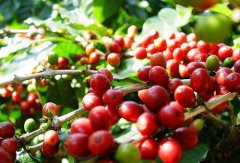
Bolivian boutique coffee
Bolivia in the past coffee trees in Bolivia used to act as hedges and ornaments around the garden. Real commercial production began in the early 1950s. The coffee industry in Brazil was badly damaged by the great frost in 1957, while Bolivia (Bolivia) benefited and developed rapidly. Bolivian coffee is grown at an altitude of 180,670 meters above sea level.
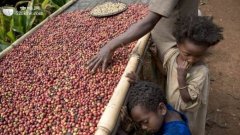
Bolivia, the origin of coffee
In the past, coffee trees in Bolivia used to act as hedges and ornaments around the garden.

Characteristics of Bolivian boutique coffee beans Santa Cruz Manor Java Coffee
Bolivian coffee when it comes to Bolivian boutique coffee, it is necessary to mention the Caranavi producing area of Yungas, as well as the soul Pedro Roderiguez. Pedro has been growing coffee in Bolivia for 30 years, and it can be said that it has witnessed the precarious prosperity of Bolivian coffee cultivation / export, while still guarding the original intention. To

Introduction of handmade coffee in Gopagabana, Lake Diditicaca, Bolivia
Professional coffee knowledge exchange for more information about coffee beans, please follow the coffee workshop (Wechat official account cafe_style) Bolivia. Lake Diditicaca. Gopagabana production area: Diditicaca Lake producer: Gopagabana (Copacabana) small farmers altitude: about 1500m 1650m varieties: Tibikadura treatment: washing harvest time: June to December flavor description: